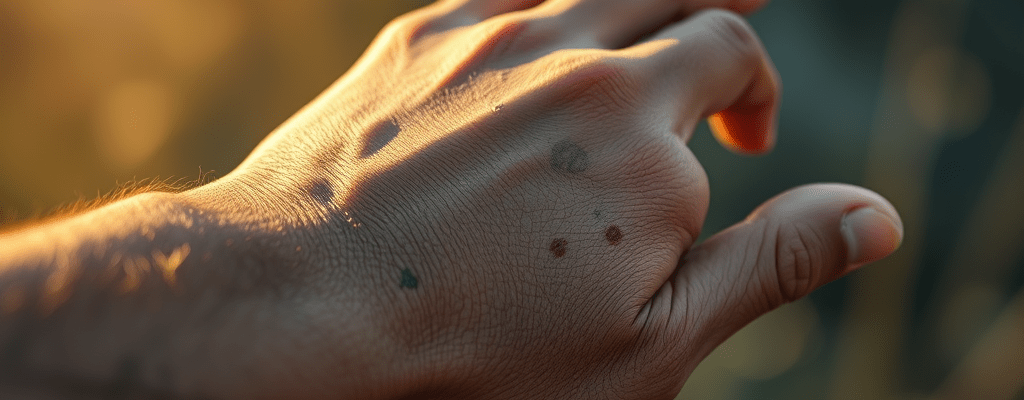
Life doesn’t hand out lessons wrapped in comfort. Often, it tests us in ways that leave visible and invisible marks. But those marks — your scars — are not failures. They are proof of survival, growth, and transformation. They show the places where you faced life’s toughest challenges and emerged stronger, wiser, and more resilient.
“Every scar tells a story — a story of pain endured, lessons learned, and strength discovered.”
Join me on a journey to uncover the hidden strength behind every scar. Through philosophy, psychology, neuroscience, and real-life stories, we’ll explore how life’s toughest battles don’t break us—they transform us. Each scar tells a story of endurance, growth, and the quiet power that shapes who we are becoming.
Understanding Scars: More Than Marks of Pain
Scars are often misunderstood. People hide them, cover them, explain them away, or try to forget the moments that created them. Yet scars — whether physical, emotional, or spiritual — are not signs of imperfection. They are markers of resilience, survival, and renewal.
A scar is a truth your body or soul chose not to erase. It represents a moment when you broke open—and yet found a way to close again. To truly understand what scars signify, we must explore them through four interconnected dimensions: philosophy, psychology, neuroscience, and lived human experience. Through this lens, scars become far more than reminders of pain; they become quiet expressions of transformation that shape the foundation of who you are.
1. The Philosophical Perspective: Pain as a Pathway to Becoming
Throughout history, philosophers have returned to the same essential question: Why do we suffer?
Not simply why pain happens, but what role it plays in the evolution of the self.
1.1 Nietzsche: Strength Forged Through Struggle
Nietzsche famously claimed that suffering is the furnace in which strength is formed. His well-known idea, “What does not kill me makes me stronger,” is less a motivational phrase and more an observation of human regeneration. To him, scars are not accidents of fate—they are evidence that you faced something capable of breaking you and emerged more durable.
1.2 Buddhism: Pain as the First Door to Awakening
Buddhist teachings view pain as the beginning of awareness. Suffering dissolves illusions, humbles the ego, and reveals impermanence. A scar reflects the moment your understanding deepened, when clarity replaced the comforting illusions you once relied on.
1.3 Stoicism: Adversity as Material for Building Character
Marcus Aurelius insisted that obstacles are not interruptions to life—they are life.
In Stoic thought, your scar marks the exact place where character began to take shape.
1.4 Kintsugi: The Beauty of Brokenness
The Japanese art of Kintsugi repairs broken pottery with gold, treating cracks as part of the object’s beauty rather than flaws. Likewise, your inner scars mark the places where life cracked you open—and where strength now glows through.
2. Psychological Insight: How Adversity Reshapes Identity
In psychology, scars represent the evolution of identity following a period of hardship. They reflect a process known as post-traumatic growth, where transformation arises not despite pain, but because of it.
1. Trauma Creates Uncertainty, Not Weakness: Trauma disrupts your sense of safety and predictability. But this disruption invites reevaluation: of your values, relationships, identity, and direction in life. Scars represent the beginning of this shift — the moment you started to ask deeper questions.
2. Post-Traumatic Growth: Rising Through the Broken Pieces: Research shows that people who experience deep emotional pain often emerge with:
- greater gratitude
- stronger emotional intelligence
- refined priorities
- deeper compassion
- a renewed sense of purpose
A scar is not a message of harm — it is a message of deepening.
3. Identity Reconstruction: Becoming a New Version of Yourself: Psychologists note that scars serve as markers of identity transformation.
Who you were before the wound is not who you became afterward.
Your scar symbolizes the birth of a wiser, more grounded, more authentic self.
3. Neuroscience: How the Brain Rebuilds After Pain
Neuroscience shows that adversity is not only emotional — it is biological.
Struggle reshapes the brain in measurable and transformative ways.
1. Neuroplasticity: Pain Forces the Brain to Adapt: The brain continuously rewires itself.
When you endure hardship, the brain creates:
- new neural pathways
- greater emotional capacity
- improved adaptability
- increased stress resilience
Pain is not the end of the system; it’s the beginning of restructuring.
2. Emotional Pain Activates Learning Networks: Studies reveal that heartbreak, grief, and trauma activate regions linked to learning and memory. In simple terms, your brain uses your pain as raw material for growth.
3. Resilience Is a Skill — Built Neuron by Neuron: Every time you recover from difficulty, the brain strengthens pathways associated with resilience. Your scars represent this invisible rewiring — the architecture of your inner strength.
4. Human Stories: When Brokenness Becomes Breakthrough
Stories allow us to see our own resilience reflected in others. Every scar has a story, and some stories illuminate the universal nature of rebuilding.
1. The Mother Who Lost Herself and Found Herself Again: After a painful divorce, she felt life collapse beneath her. But the heartbreak became a catalyst for self-discovery. She healed, rebuilt her inner world, and became the woman she once feared she could never be.
Her scar didn’t close her — it opened her.
2. The Young Man Who Survived Depression: He reached a point where giving up felt easier than continuing. Therapy, vulnerability, and courage slowly guided him back toward life. Today, he helps others navigate darkness.
His scar became a lighthouse.
3. The Entrepreneur Who Failed Forward: Years of failed attempts left him bruised and discouraged. But each scar became a lesson. His eventual success wasn’t sudden — it was built on accumulated wisdom forged through persistence.
His scars became his strategy.
5. Synthesis: What Scars Reveal About the Human Journey
When philosophy, psychology, neuroscience, and lived stories converge, a simple truth emerges:
Your scars reveal three profound realities:
1. You Survived What Could Have Broken You: Your scars are evidence of resilience, not weakness.
2. You Are Stronger Than You Realize: Strength is not the absence of pain — it’s the ability to continue despite it.
3. You Are Becoming More Than Before: Scars refine identity, deepen empathy, and expand wisdom. They signal evolution — the becoming of a more aware and grounded self.
6. How to Honor Your Scars and Transform Through Them
1. Accept the Scar Without Reopening the Past: Healing isn’t forgetting; it’s integrating the meaning behind the pain.
2. Turn the Lesson Into a New Way of Living: Growth becomes real when it becomes a habit.
3. Share Your Story With Those Who Need It: Your experience may be the map someone else is searching for.
4. Release Shame — Scars Are Sacred: Shame hides wounds; wisdom honors them.
5. View Growth as an Ongoing Becoming: There is no final version of you — only the next, wiser version. Your scars mark the milestones of that journey.
Conclusion: You Are More Than What Hurt You
When you look at your scars with new understanding, their meaning becomes clear: They are not marks of damage; they are proof of transformation.
Every scar reflects endurance, resilience, and evolution.
They remind you:
You endured.
You rose.
You grew.
You became.
Your scars mark the chapters where pain shaped you, where resilience strengthened you, and where transformation began. They are your quiet armor — the proof of a life lived, lessons learned, and wisdom earned.
Your scars are your story.
Your proof.
Your strength.
Your becoming.
 Life Inspiration
Very true!✨️🙏✨️
LikeLiked by 2 people