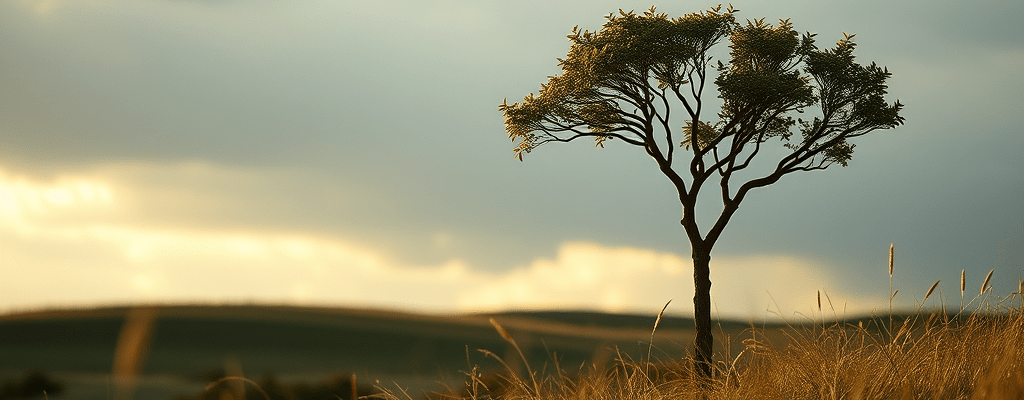
In a world that often values toughness and stoicism, vulnerability can seem like a weakness—a crack in our armor that we work hard to conceal. We’re told to be strong, to push through pain, and to never show signs of struggle. Yet, behind this facade of perfection, we miss one of the greatest truths about life: vulnerability is not a sign of weakness. It is, in fact, the birthplace of strength, connection, and courage.
What is Vulnerability?
Vulnerability is the willingness to be seen for who we truly are. It means opening up, even when it feels uncomfortable, sharing our fears, admitting our flaws, and allowing ourselves to be emotionally exposed. Vulnerability is standing in front of the world with your guard down, accepting that you’re imperfect, and being okay with that truth.
Think about the moments in life where you’ve felt the deepest connection with others. Was it when you were putting on a brave face, pretending to have it all together? Or was it when you allowed yourself to share your true feelings, your fears, and your dreams? It is through vulnerability that we build genuine relationships and find the courage to live authentically.
The Myth of Perfection
We live in a culture obsessed with perfection. Social media bombards us with images of flawless lives, where everyone seems to have their dream job, perfect family, and unshakable confidence. But behind the filters and curated highlights lies the truth: no one has it all together. Life is messy, and we all carry our own struggles, doubts, and insecurities.
The constant chase for perfection is exhausting, and it ultimately isolates us. When we refuse to show our vulnerabilities, we create walls between ourselves and others. We may think we’re protecting ourselves from judgment or rejection, but in reality, we’re preventing real connection.
The Courage to Be Vulnerable
Vulnerability takes immense courage. It’s far easier to hide behind a mask of invincibility than to expose the parts of ourselves we fear might be judged. But it is in vulnerability that we find our true strength. When we let down our guard, we show others that it’s okay to be human—to have doubts, to make mistakes, and to not have all the answers.
Author and researcher Brené Brown, a leading voice on vulnerability, once said, “Vulnerability sounds like truth and feels like courage. Truth and courage aren’t always comfortable, but they’re never weakness.” This courage to be vulnerable is what allows us to grow, to learn, and to connect on a deeper level with those around us.
The Gifts of Vulnerability
When we allow ourselves to be vulnerable, we open ourselves to a wealth of gifts that enrich our lives in ways we never imagined. Here are some of the most profound:
- Deeper Connections: Vulnerability fosters intimacy and trust. When you share your true self with others, you invite them to do the same. This creates deeper, more meaningful relationships—ones built on authenticity rather than pretense.
- Personal Growth: Vulnerability requires us to confront our fears and insecurities. By facing these head-on, we grow stronger, more self-aware, and more resilient. Each time we allow ourselves to be vulnerable, we expand our comfort zone and discover new depths of inner strength.
- Authenticity: Pretending to be perfect is exhausting. Embracing vulnerability allows us to live authentically, free from the pressure of having to meet unrealistic expectations. When we let go of the need for perfection, we embrace our true selves and find the freedom to live unapologetically.
- Empathy and Compassion: When we open up about our struggles, we remind others that they are not alone in their challenges. Vulnerability breeds empathy and compassion, creating a ripple effect of understanding and kindness.
How to Embrace Vulnerability
It’s one thing to understand the power of vulnerability, but how do we actually embrace it in our daily lives? Here are a few steps to help you cultivate vulnerability:
- Acknowledge Your Fears: Start by acknowledging the fears that hold you back from being vulnerable. Whether it’s the fear of rejection, judgment, or failure, recognizing these fears is the first step toward overcoming them.
- Take Small Steps: Vulnerability doesn’t have to mean pouring out your deepest secrets to everyone you meet. Start small by sharing more of your true self with close friends or family. Over time, you’ll build the confidence to be more open in other areas of your life.
- Practice Self-Compassion: Vulnerability is a courageous act, but it can be uncomfortable. Practice self-compassion by reminding yourself that it’s okay to be imperfect. Treat yourself with the same kindness and understanding you would offer a close friend.
- Embrace Discomfort: Vulnerability will feel uncomfortable at times, and that’s okay. Growth often happens outside of our comfort zones. Embrace the discomfort as a sign that you’re pushing yourself to live more authentically.
Conclusion: The Strength in Vulnerability
At its core, vulnerability is about being brave enough to show up in the world as your true self, flaws and all. It’s about daring to be imperfect, admitting when you need help, and opening yourself up to the possibility of rejection in order to experience deeper connection and growth.
While society may tell us to wear a mask of perfection, it is in vulnerability that we find true strength. It is in the moments when we allow ourselves to be seen that we connect with others, grow as individuals, and discover the courage to live authentically. Vulnerability is not something to fear—it is the key to a richer, more fulfilling life.
 Life Inspiration
🌷✅
LikeLike
Selva bela !
LikeLiked by 1 person